
Slot machines have long been a staple of casinos, drawing players 50 free spins with no deposit at Play Alberta their vibrant lights, engaging sounds, and the promise of potential winnings. However, not all slot machines are created equal. In the United States, slot machines are categorized into different classes, primarily Class 2 and Class 3 machines. Understanding the distinctions between these two classes is crucial for players, casino operators, and regulatory bodies alike. This report delves into the differences between Class 2 and Class 3 slot machines, exploring their mechanics, legality, payout structures, and overall player experience.
1. Definition and Classification
Class 2 Slot Machines: Class 2 slot machines are often referred to as “bingo-style” machines. They are primarily used in tribal casinos and are designed to operate in conjunction with a central server that manages the game outcomes. In Class 2 machines, players are essentially participating in a bingo game, with the machine generating a bingo card for each spin. The outcome of the game is determined by a central bingo server, which randomly selects numbers and determines winners based on the patterns formed on the players’ cards.
Class 3 Slot Machines: Class 3 slot machines are the traditional slot machines commonly found in commercial casinos. These machines operate independently, using a Random Number Generator (RNG) to determine the outcome of each spin. Class 3 machines are characterized by their standalone operation, where the result of a player’s bet is determined entirely by the machine itself, without any connection to a central server.
2. Legal Framework
The legal status of Class 2 and Class 3 slot machines varies significantly across jurisdictions. Class 2 machines are often permitted in tribal casinos under the Indian Gaming Regulatory Act (IGRA) of 1988. This act allows tribes to conduct gaming operations on their lands, including the use of Class 2 machines, provided they comply with state laws and regulations.
Conversely, Class 3 machines are subject to more stringent regulations and are typically found in commercial casinos. These machines must adhere to state gaming laws and are often regulated by state gaming commissions. The differences in legal frameworks reflect the varying degrees of oversight and regulatory requirements for each class of machine.
3. Mechanics and Gameplay
Class 2 Mechanics: The gameplay of Class 2 machines is fundamentally different from that of Class 3 machines. Players at Class 2 machines are not simply spinning reels; they are participating in a game of bingo. When a player makes a wager, the machine generates a bingo card that corresponds to the player’s bet. The outcome is determined by the central server, which randomly selects numbers. Players win payouts based on the patterns formed on their bingo cards, rather than traditional reel combinations.
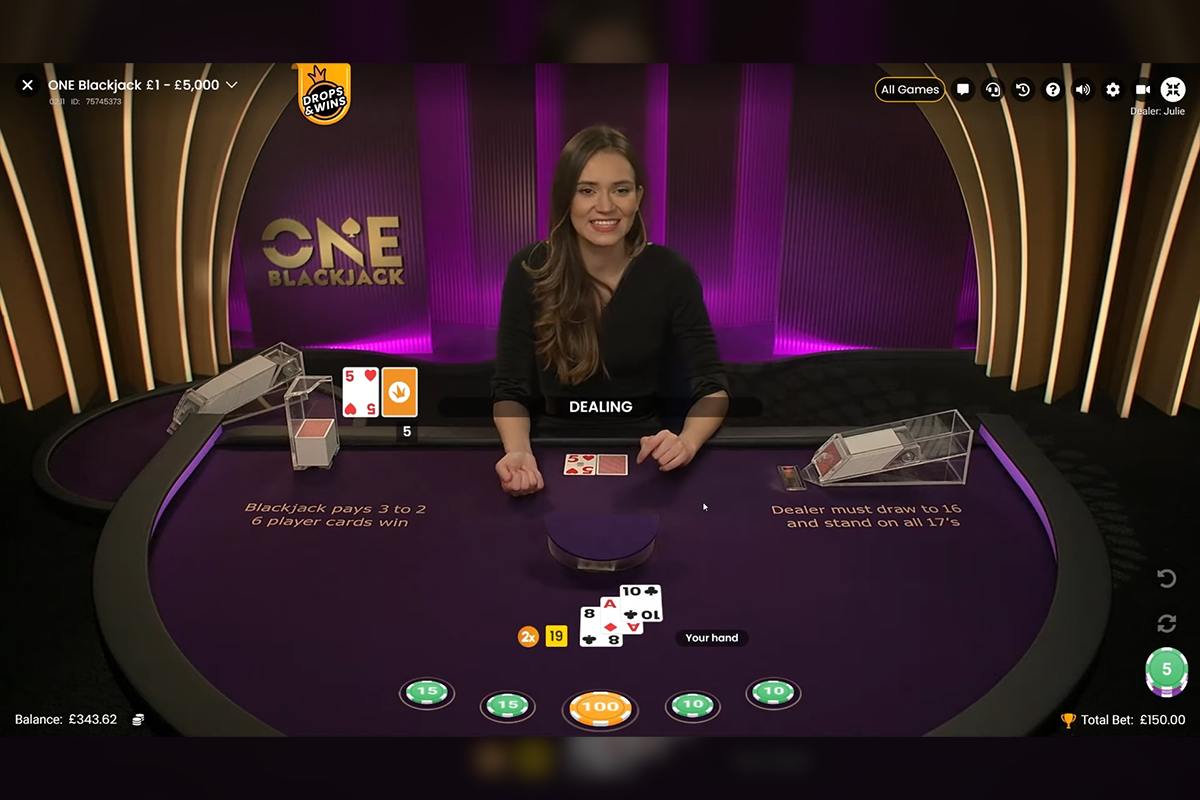
Class 3 Mechanics: In contrast, Class 3 machines operate on a more straightforward mechanism. Players insert coins or credits and pull a lever or press a button to spin the reels. The RNG determines the outcome of each spin, and players win based on the combinations of symbols that appear on the reels. Class 3 machines offer a variety of themes, bonus rounds, and progressive jackpots, making them highly popular among players.
4. Payout Structures
The payout structures of Class 2 and Class 3 machines also differ significantly. Class 2 machines typically have a payout percentage that is lower than that of Class 3 machines. Because the outcome is determined by a central server, the payout percentage is influenced by the overall performance of the bingo game rather than individual machine outcomes. This can lead to a perception among players that Class 2 machines are less rewarding than their Class 3 counterparts.
In contrast, Class 3 machines are required to meet specific payout percentage regulations set by state gaming authorities. These machines often have higher payout percentages, which can lead to larger individual payouts. The presence of various bonuses, jackpots, and promotional features also enhances the potential for winning on Class 3 machines.
5. Player Experience
The player experience on Class 2 and Class 3 machines can vary significantly. Class 2 machines often create a communal atmosphere, as multiple players may be participating in the same bingo game. This can lead to a sense of camaraderie among players, as they cheer each other on while waiting for numbers to be called. However, some players may find the gameplay less engaging due to the lack of traditional spinning reels and the reliance on a central server.
On the other hand, Class 3 machines provide a more solitary experience, allowing players to focus solely on their own gameplay. The excitement of spinning the reels, combined with the anticipation of hitting a winning combination, creates a thrilling experience for players. The variety of themes, graphics, and sound effects also contribute to the immersive nature of Class 3 machines.
6. Market Presence and Popularity
Class 3 slot machines dominate the commercial casino market, accounting for a significant portion of gaming revenues. Their widespread availability and popularity among players make them a primary revenue source for many casinos. The allure of progressive jackpots and innovative gameplay features keeps players returning for more.
In contrast, Class 2 machines are primarily found in tribal casinos and are less prevalent in commercial gaming establishments. While they do have a dedicated player base, their market presence is limited compared to Class 3 machines. The unique gameplay mechanics of Class 2 machines may appeal to certain players, but they generally attract a smaller audience than traditional Class 3 machines.
Conclusion
In summary, the differences between Class 2 and Class 3 slot machines extend beyond mere classification. They involve distinct mechanics, legal frameworks, payout structures, and player experiences. While Class 2 machines offer a bingo-style gaming experience often found in tribal casinos, Class 3 machines represent the traditional slot machine format prevalent in commercial casinos. Understanding these differences is essential for players seeking to navigate the world of slot machines and for operators aiming to create engaging gaming environments. As the gaming industry continues to evolve, the distinctions between these two classes of machines will remain a critical aspect of casino operations and player engagement.